
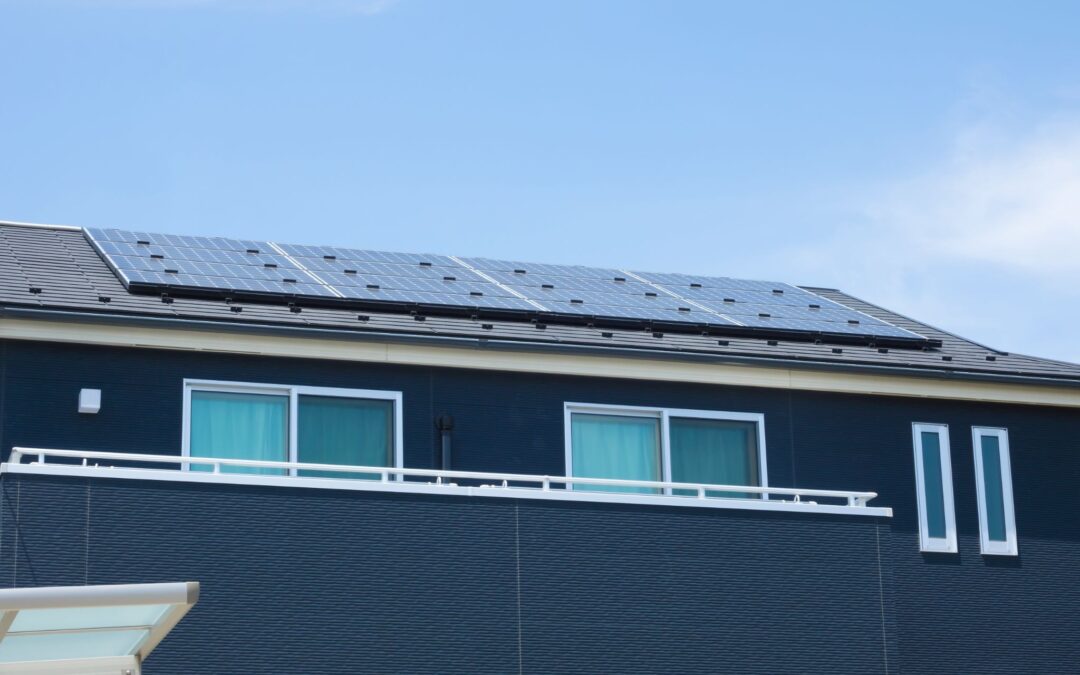
Calculating exact solar panel costs often frustrates homeowners. You want to calculate your home’s solar price, but asking for a straightforward number usually results in vague ranges or high-pressure sales calls.
This lack of transparency makes it difficult to budget for home energy upgrades. It also complicates evaluating the financial impact of clean energy on your property.
Quotes vary significantly because no two houses or energy profiles are identical. The final price relies heavily on your specific electricity consumption, roof characteristics, and local utility rates.
This guide acts as your solar panel cost estimator. We break down exactly what goes into these calculations using data from top energy institutions.
We detail the primary cost factors, provide estimates based on house size, and outline potential savings so you can accurately calculate your total investment.
What factors affect the cost of solar panels?
The physical solar panels only make up a fraction of your final bill. The solar industry categorizes system expenses into hardware costs and soft costs.
According to data from the National Renewable Energy Laboratory (NREL), soft costs currently account for over 60% of total residential system prices. Understanding these variables helps you when evaluating quotes from different installation companies.
Several core components shape your final price:
- System Size: The total kilowatt capacity required to power your home.
- Equipment Quality: The efficiency ratings of your chosen panels and inverters.
- Roof Complexity: The pitch, angle, and roofing material of your property.
- Soft Costs: Local labor rates, permitting fees, and utility interconnection charges.
System Size and Energy Needs
The total wattage of your system acts as the single largest cost driver. Installers price residential solar systems strictly by the watt. A system requiring more kilowatts to power your home requires a larger upfront investment.
Our system design team at Convert Solar frequently tells homeowners: “We do not size systems based on the physical square footage of your property. We size them strictly based on your historical kilowatt-hour consumption.”
Equipment Quality and Technology
Your choice of hardware changes the baseline price considerably. High-efficiency monocrystalline panels cost more than standard options. However, they generate more power in a smaller physical space.
Inverters also play a major role in the total bill. Traditional string inverters cost less upfront but limit performance if parts of your roof experience shading. Upgrading to advanced microinverters maximizes energy production across complex roof layouts.
Roof Characteristics and Complexity
The design of your roof dictates the labor hours required for installation. Complex roof angles, steep pitches, or multiple roof planes require more time and specialized safety equipment.
Roofing material also impacts the final solar panel costs. Installing panels on a fragile clay tile roof requires specialized mounting brackets. This procedure costs more than a standard installation on composite asphalt shingles.
Labor, Permitting, and Interconnection
Your city municipality and your utility company charge fees to review plans and inspect your property. They also charge fees to issue building permits and connect your new system to the local power grid.
In recent industry interviews, David Feldman, a senior financial analyst at NREL, noted that while hardware prices have plummeted over the last decade, local permitting delays and strict interconnection rules keep soft costs high for consumers.
How many solar panels do I need for my home?
Determining your exact panel count requires looking at your utility bill history. You need to find your total annual energy consumption measured in kilowatt-hours (kWh).
Installers take this annual number and calculate the necessary system size based on your local sun exposure. A modern solar panel typically produces between 350 and 400 watts of power.
If your home requires an 8-kilowatt system to cover its energy usage, your installer will mount approximately 20 panels on your roof.
What is the 20% rule for solar?
Solar professionals frequently use the 20% rule during the system design phase. This guideline recommends building a solar array that produces 20% more electricity than your current historical usage.
This extra capacity serves two practical purposes. First, it accounts for the natural degradation of solar panels over time. Second, the buffer provides extra power capacity if your household energy habits change.
How much does a solar panel system cost?
Evaluating pricing requires separating the cost of individual components from the cost of a fully operational setup. A complete installation includes heavy-duty racking systems, copper wiring, safety disconnects, and professional labor.
How much does the solar panel cost?
When purchased independently, a single residential solar panel costs between $200 and $400. The price fluctuates based on the panel’s wattage output, efficiency rating, and manufacturer warranty.
You cannot run a home simply by buying raw panels. The hardware only generates direct current (DC) electricity and requires inverters to convert that power for your home appliances.
How much does a 10kW solar system cost?
A 10-kilowatt system acts as the standard benchmark for residential solar pricing in the United States. This size comfortably powers most modern suburban homes.
Based on recent Solar Energy Industries Association (SEIA) pricing data, the gross cost for a complete 10kW setup ranges from $25,000 to $30,000. Applying the 30% federal tax credit reduces the net cost of this system to between $17,500 and $21,000.
How much do solar panels cost without installation
Homeowners with advanced electrical experience sometimes consider buying DIY equipment kits to eliminate labor fees. A complete 10kW hardware kit purchased directly from a distributor costs between $12,000 and $16,000.
Taking this route places the entire burden of the project on you. You must secure building permits, pass rigorous electrical inspections, and negotiate interconnection terms with your utility company.
Solar panel costs per square foot
The solar industry prices systems per watt of power capacity, not by the physical dimensions of your house. However, comparing average national system costs against typical home sizes provides a helpful baseline for budgeting purposes.
This rough calculation equates to $4 to $10 per square foot of living space. Below is a quick breakdown of estimated costs based on property size.
Estimated Solar Panel Costs by Property Size
| Home Size (Sq. Ft.) | Estimated System Size | Gross Cost Estimate |
| 1,000 sq. ft. | 4kW to 5kW | $11,000 to $15,000 |
| 1,500 sq. ft. | 6kW to 7kW | $16,000 to $21,000 |
| 2,000 sq. ft. | 8kW to 10kW | $22,000 to $29,000 |
| 3,000 sq. ft. | 12kW to 15kW | $32,000 to $45,000 |
How much do solar panels cost for a 1000 square foot house
A compact home of this size usually features lower heating and cooling demands. These properties typically require a smaller system ranging from 4kW to 5kW. You can expect the gross installation cost to fall between $11,000 and $15,000.
How much do solar panels cost for a 1,500 square foot house
Homes around 1,500 square feet represent average energy consumers. They usually require a 6kW to 7kW solar array to cover daily electricity needs. The gross pricing for this tier typically lands between $16,000 and $21,000.
How much do solar panels cost for a 2,000 square foot house
A 2,000 square foot property generally requires an 8kW to 10kW system to maintain a consistent power offset throughout the year. Installation quotes for this system size usually range from $22,000 to $29,000 before tax credits.
How much do solar panels cost for a 3,000 square foot house
Large properties consume significantly more power, especially if they operate multiple central air conditioning units. A 3,000 square foot home often requires a robust 12kW to 15kW system. The gross cost for these expansive installations ranges from $32,000 to $45,000.
Do solar batteries increase the cost of solar systems?
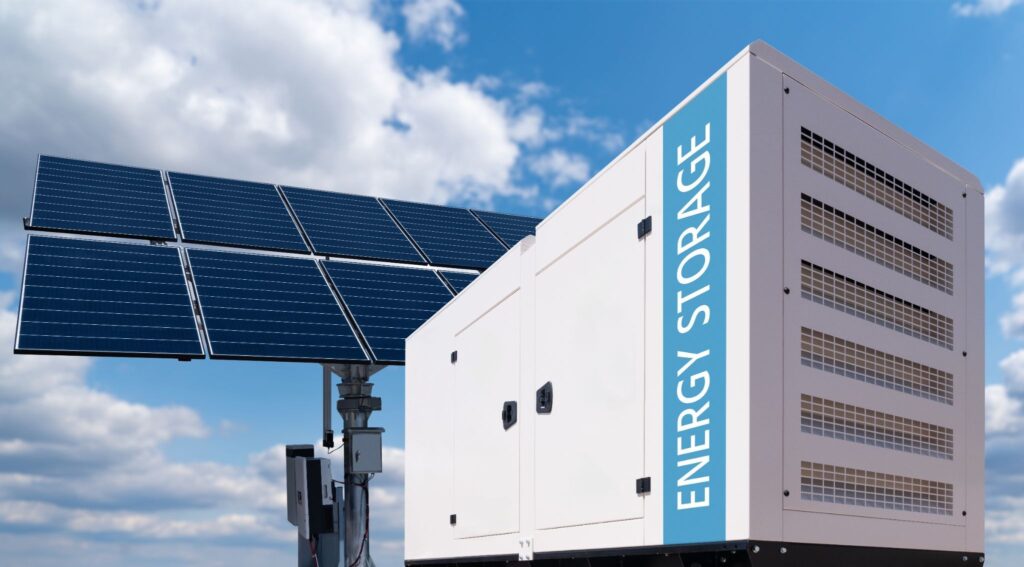
Adding energy storage represents a major upgrade to your solar project. Including a single solar battery unit increases your total installation quote by $10,000 to $15,000.
Batteries act as optional components. A standard grid-tied solar system functions perfectly without one. Homeowners choose to invest in batteries, creating a setup often called solar-plus-storage, to keep the lights on during utility grid blackouts.
Solar panel costs per month
Many homeowners choose to finance their systems rather than paying the full total upfront. A solar loan replaces your standard utility bill with a fixed monthly payment.
Depending on your system size and interest rate, monthly payments typically range from $100 to $250. A well-structured loan ensures your new monthly payment sits lower than your previous average electricity bill.
Solar panel costs calculator
Calculate pricing data using out Solar Panel Cost Calculator!
[solar_panel_calculator]
Are solar panels worth the cost?
Solar panels offer a strong financial return for homeowners living in areas with high electricity rates and favorable utility policies.
The value of the system relies entirely on how much you currently pay your power company. If you live in a region with very cheap grid electricity, the financial return of a solar installation takes much longer to materialize.
How long does it take for solar panels to pay for themselves?
The solar payback period calculates the exact time required for your cumulative energy savings to equal your initial system cost. The national average payback period falls between 6 and 10 years.
“Homeowners often worry about the timeline,” says a lead financial consultant at Convert Solar. “But once you cross that 6 to 10-year threshold, the system has fully paid for itself. The electricity generated for the remaining 15 to 20 years functions as pure financial savings.”
Do solar panels reduce electricity bills?
Yes, solar installations lower utility bills through a process called direct consumption and net metering. The panels generate power during the day, and your home consumes that power immediately.
When your panels produce more power than your home needs, the system sends that excess energy back into the local grid. Many utility companies compensate you for this energy by applying credits to your account.
How much money can solar panels save per year?
Annual savings vary based on your local utility rates and your specific energy habits. Factoring in utility data provided by the U.S. Energy Information Administration (EIA), the average homeowner saves between $1,000 and $2,000 per year on electricity.
According to data tracking residential energy systems, these cumulative savings often exceed $30,000 over the typical 25-year lifespan of the equipment.
Understanding these long-term returns becomes easier when you look at real homeowner results. Many residents choose to invest in a complete system now to lock in favorable utility policies before net metering rules change.
Virginia Beach homeowner Glenn Goodman faced summer electric bills reaching $400 before investing in a 17.2 kW solar system. “I’m getting a 100% payback,” Glenn shared. “It was a great overall experience and a great savings.”
Another customer, Laura Kippes, watched her monthly electric budget double over ten years before she purchased a 41-panel system. “These past two months, my bill has been $9.33,” she noted. “It’ll keep my bills from going up in the future, and I’m really happy.”
Are solar panels cheaper in certain states or regions?
System pricing fluctuates by region due to local labor markets and state-level incentives. States with mature solar markets feature high competition among installation companies, which helps drive down baseline prices.
State governments and local utility companies also dictate the final net price. You can check the Database of State Incentives for Renewables & Efficiency (DSIRE) to find specific cash rebates and property tax exemptions available in your zip code.
How much does it cost to maintain solar panels?
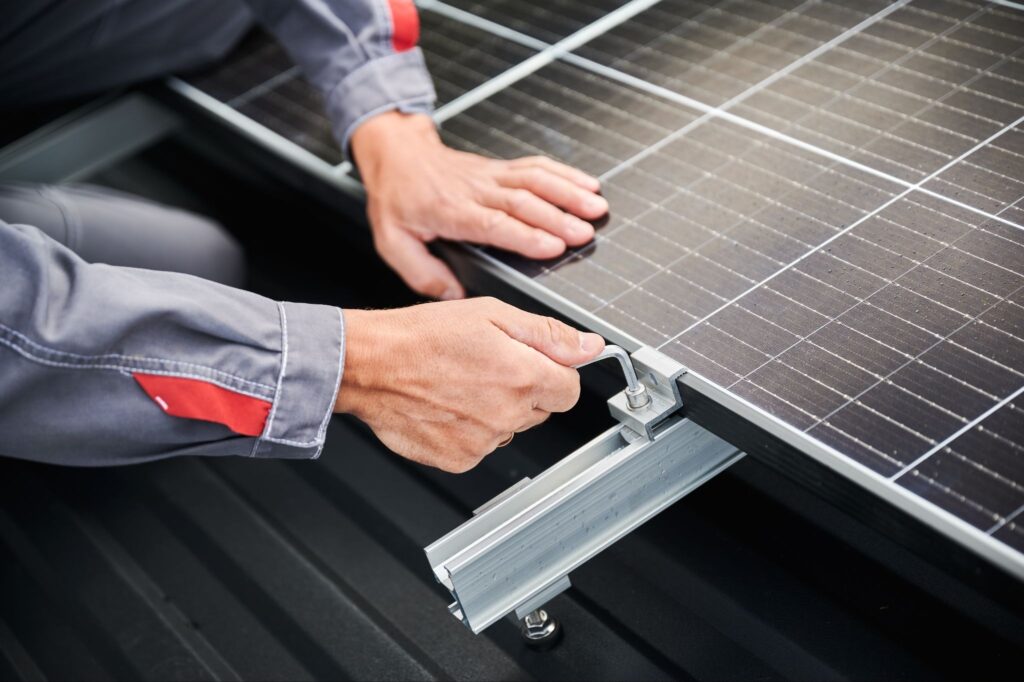
Solar arrays require very little ongoing maintenance. They feature no moving parts to wear out or break down over time. Normal rainfall usually provides enough cleaning to keep the panels operating efficiently.
If you live in an area with heavy dust or thick pollen, you might pay a professional $150 to $300 for an annual cleaning. The only major maintenance expense involves replacing the standard string inverter after 12 to 15 years, which costs between $1,500 and $2,000.
FAQs
Homeowners frequently ask several specific questions when evaluating quotes and researching equipment options.
What is the cost difference between rooftop and ground-mounted solar panels?
Ground-mounted systems cost 10% to 20% more than rooftop installations of the exact same size. These structures require heavy metal frameworks, poured concrete foundations, and deep underground trenching. This extra preparation requires significantly more labor and materials.
Can I finance solar panels instead of paying upfront?
Yes. Securing specialized solar loans allows you to install a complete system with zero down payment. You pay a fixed monthly amount over a term ranging from 10 to 25 years. This makes solar accessible without requiring a massive initial cash layout.
What incentives or rebates reduce solar panel costs?
The Federal Solar Tax Credit serves as the primary financial incentive in the United States. Following the Federal Solar Tax Credit guidelines published by the Department of Energy, you can deduct 30% of the total installation cost directly from your federal income taxes.
How much does it cost to add battery storage to a solar system?
Integrating a reliable lithium-ion battery backup unit adds $10,000 to $15,000 to your total installation quote. This price includes the physical battery hardware, the specialized interface equipment, and the labor required to rewire your home’s critical circuits.
Do premium solar panels cost more but produce more power?
Premium panels from top-tier manufacturers carry a higher initial price tag. They justify this cost through higher efficiency ratings. Extensive tracking research from the Lawrence Berkeley National Laboratory shows that high-efficiency panels generate more electricity per square inch of roof space and degrade at a slower rate.
How much does it cost to replace or upgrade solar panels?
Replacing a single damaged panel costs between $300 and $500. Upgrading an entire system is rarely necessary. If your household energy needs grow over time, installers usually design and install a small secondary expansion array.
Estimate Your Solar Investment and Take the First Step
Understanding the full cost of a solar installation requires looking beyond a single flat rate. Your final investment depends directly on your historical energy consumption, your roof characteristics, and the specific equipment you choose.
While hardware and installation labor represent a substantial upfront commitment, the long-term utility savings make the transition highly practical. Evaluating your past electricity usage provides a realistic picture of what a system will cost for your property.
To understand the long-term advantages before making a decision, read more about the benefits of solar power. When you are ready to estimate your exact solar panel costs, contact a qualified local installer to receive an accurate quote based on your actual energy needs.