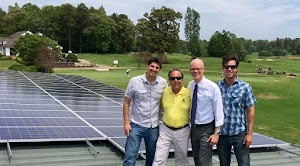

Quick answer: Community solar Virginia 2026 changes are here, the program cap has jumped from 250 MW to 875 MW under legislation signed by Gov. Abigail Spanberger, effective July 1, 2026. The expansion, split between Dominion Energy and Appalachian Power territories, is designed to clear years-long subscriber waitlists and open shared solar to renters, condo residents, and homeowners whose roofs can’t support panels. If you’ve been priced out or shut out of rooftop solar, community solar in Virginia is, for the first time, a program with room to grow into.
Community Solar Virginia 2026: What Changed?
Two pieces of legislation, SB 254/HB 807 (Dominion Energy territory) and SB 255/HB 809 (Appalachian Power territory), raised Virginia’s total shared solar program cap from 250 MW to 875 MW. Both bills, sponsored by Sen. Scott Surovell and Del. Rip Sullivan, was signed by Gov. Spanberger and took effect July 1, 2026.
The 875 MW figure is built from several pieces:
| Program segment | Capacity | Status |
| Dominion Energy — original program | 200 MW | Fully awarded across 52 projects, waitlisted |
| Dominion Energy — new release | 525 MW | Required by July 1, 2026 |
| Appalachian Power — original program | 50 MW | Launched 2025, oversubscribed almost immediately |
| Appalachian Power — new release (phase 1) | 50 MW | Required by July 1, 2026 |
| Appalachian Power — new release (phase 2) | 50 MW | Required by January 1, 2028 |
| Total program cap | 875 MW |
This is a shared/subscription solar program, separate from Virginia net metering, which applies only to homeowners who own a rooftop system. Community solar requires no equipment, no roof, and no property ownership at all.
Why Virginia Increased the Community Solar Cap to 875 MW
The community solar Virginia 2026 expansion responds to strong demand. The state’s original 250 MW program quickly reached capacity, leaving new projects and prospective subscribers waiting for more availability.
Lawmakers also pointed to affordability benefits. An independent analysis estimates expanded shared solar could deliver about $64 million in net benefits within two years and more than $2.4 billion over 25 years by reducing future generation, transmission, and distribution costs.
What the 875 MW Expansion Means for Virginians
In practical terms, the expansion does three things:
- Ends the multi-year waitlist bottleneck that kept both existing programs effectively closed to new subscribers.
- Puts the State Corporation Commission (SCC) in charge of a predictable rollout process.
- Reserves dedicated capacity for low-income subscribers, so the growth is more equitably distributed.
If you tried to subscribe to community solar in Virginia in the last couple of years and hit a waitlist, that picture is changing.
Who Can Participate in Community Solar Virginia 2026?
You don’t need to own a home or have a suitable roof to join community solar Virginia 2026. Eligible participants generally include:
- Residential and small commercial customers in participating utility territories.
- Customers who subscribe through a registered organization connected to an approved shared solar project.
- Low-income households that meet the program’s income requirements, generally based on local area median income.
Electric cooperative customers follow separate rules, so eligibility may vary. Check directly with your co-op to see whether a shared solar option is available in your area.
How Community Solar Works in Virginia
Community solar Virginia 2026 lets you benefit from solar without installing panels on your property. Instead, you subscribe to a share of a local solar project and receive credits based on the electricity it produces.
- Subscribe through a registered community solar provider.
- The solar project sends electricity to the grid.
- Your share of production is converted into bill credits.
- You pay the subscription cost and receive those credits on your electricity bill.
No rooftop panels, new meter, or home equipment are required. New consolidated billing rules also make participation simpler by allowing subscription charges and solar bill credits to appear on one utility bill.
How Much Can Virginia Community Solar Subscribers Save?
Virginia community solar subscribers may save around 10% annually, or about $175 per year, though savings vary by electricity use, subscription size, and project performance.
Two factors can affect savings:
- Minimum monthly bill: Some subscribers still pay charges for grid and administrative costs.
- Credit rollover: Unused bill credits can roll over for up to 12 months.
What the Expansion Means for Renters and Homes Without Solar-Friendly Roofs
The community solar Virginia 2026 expansion creates more options for people who cannot install rooftop solar, including:
- Renters who do not own their property.
- Apartment and condo residents with limited roof access.
- Homeowners with shaded or unsuitable roofs where rooftop solar may not be practical.
- People who move frequently, since some subscriptions may transfer within the same utility service area.
With the program expanding to 875 MW, more Virginians may be able to access solar savings without installing panels on their own property.
What the New Cap Means for Low-Income Households
Part of the new capacity is reserved for qualifying low-income households, generally those at or below 80% of local area median income.
Eligible subscribers may also receive protections such as:
- No early termination fees
- No credit reporting tied to the subscription
- Exemptions from certain minimum-bill requirements
These measures are designed to make community solar more accessible and reduce financial barriers.
How the Expansion Could Affect Virginia’s Solar Market
The higher cap could make Virginia one of the leading states for shared solar capacity. At 875 MW, community solar will represent a larger share of the state’s renewable energy market while remaining one part of a broader mix that includes rooftop and utility-scale solar.
When Will More Community Solar Capacity Become Available?
New community solar Virginia 2026 capacity will become available in phases as projects are approved, built, and opened to subscribers. That means access may improve gradually through 2026 and 2027. Interested customers may want to join a subscriber organization’s waitlist early as new projects come online.
Community Solar vs. Rooftop Solar: Which Option Makes More Sense?
Both paths lower your electric bill using solar power, but they work in fundamentally different ways, and the right one depends on what you own and how long you plan to stay put.
| Community Solar | Rooftop Solar | |
| Who’s eligible | Renters, homeowners, no roof required | Homeowners with a solar-suitable roof |
| Equipment at your home | None | Panels, inverter, optional battery |
| Ownership | Subscription only, no equipment owned | You own or lease the system |
| Typical savings mechanism | Bill credit for your subscription share | Net metering credit for excess production |
| Upfront cost | None | Financing, lease, or cash purchase required |
| What happens if you move | Subscription can transfer within the utility territory | System stays with the home |
| Long-term savings potential | Moderate (5–15% typical) | Higher over time, especially with ownership |
If you rent, live in a multi-unit building, or have a roof that is not suitable for solar, community solar may be the more practical option.
If you own a home with good solar potential, rooftop solar paired with Virginia’s net metering program can offer stronger long-term savings because you own the system generating the electricity.
Virginia solar installation pricing currently averages about $2.65 per watt before incentives, based on EnergySage data from July 2026. Qualified homeowners may also have access to solar leases and $0-down financing.
If you are unsure which option makes more sense, a no-obligation solar quote and roof assessment from a solar installer in virginia can help determine whether rooftop solar is a good fit before you consider a community solar subscription.
What Virginia Residents Should Know Before Joining a Community Solar Project
Before signing up for community solar, review a few key details:
- Confirm your utility eligibility.
- Understand any minimum monthly bill and how it affects your savings.
- Review the contract length and cancellation terms.
- Verify that the subscriber organization is properly registered.
- Be cautious of high-pressure sales tactics or guaranteed savings claims.
Always read the subscription agreement carefully so you understand the costs, credits, and terms before enrolling.
What’s Next for Community Solar in Virginia?
Virginia now has a clearer process for future program growth, which could help reduce long delays when capacity fills up. For homeowners exploring their options, convert solar can help make sense of how these changes may affect future solar opportunities. The state is also pursuing other grid-related initiatives as electricity demand continues to rise.
Community solar is only one part of that broader strategy, but the 875 MW expansion gives more residents a practical way to access solar without installing panels at home.
Is Community Solar Right for You?
If you rent, have an unsuitable roof, or are not ready for rooftop solar, community solar Virginia 2026 may be worth considering. Subscribers can potentially lower their electricity costs without owning or maintaining solar equipment.
If you own a home with a solar-friendly roof, compare community solar with rooftop ownership before deciding. A no-obligation solar quote can help you see which option may offer better long-term value for your home.
Frequently Asked Questions
What does Virginia increasing the community solar cap to 875 MW mean for customers?
It means more community solar projects and subscription opportunities can become available across eligible utility territories, reducing the capacity constraints of the original program.
Will the larger program make community solar available to more Virginia households?
Yes. The expansion adds 625 MW beyond the original 250 MW, including capacity intended to improve access for low-income households.
Who is eligible for the expanded community solar program?
Residential customers in participating utility territories can generally subscribe without owning a home or having a solar-ready roof. Additional eligibility rules apply to low-income programs.
How much can I save with community solar?
Typical savings are estimated at around 10% annually, or roughly $175 per year, although savings vary by subscription, electricity use, and project performance.
Will I still have to pay a minimum bill or subscription fee?
Generally, yes. Subscribers may pay a minimum utility bill and subscription charges, although qualifying low-income customers may receive exemptions or additional protections.
Can renters participate in community solar?
Yes. Renters can subscribe because no rooftop installation or property ownership is required.
How can I tell if a community solar provider is legitimate?
Verify that the subscriber organization is registered, review the written agreement carefully, and avoid providers using high-pressure tactics or unrealistic savings guarantees.
What happens if I move or cancel my subscription?
Some subscriptions can transfer when you move within the same utility territory. Cancellation policies vary, so review your contract before enrolling.
Is community solar better than rooftop solar?
It depends. Community solar works well for renters and homes with unsuitable roofs, while rooftop solar ownership may provide greater long-term savings for qualifying homeowners.
What are the changes in Virginia net metering?
Net metering is separate from community solar and applies to customers who generate electricity with their own rooftop systems. See our Virginia net metering guide for current rules.
What solar incentives are available in Virginia in 2026?
Virginia offers certain property and sales tax benefits for qualifying solar systems, along with other state and local programs. The federal residential solar tax credit under Section 25D is no longer available for systems installed in 2026.